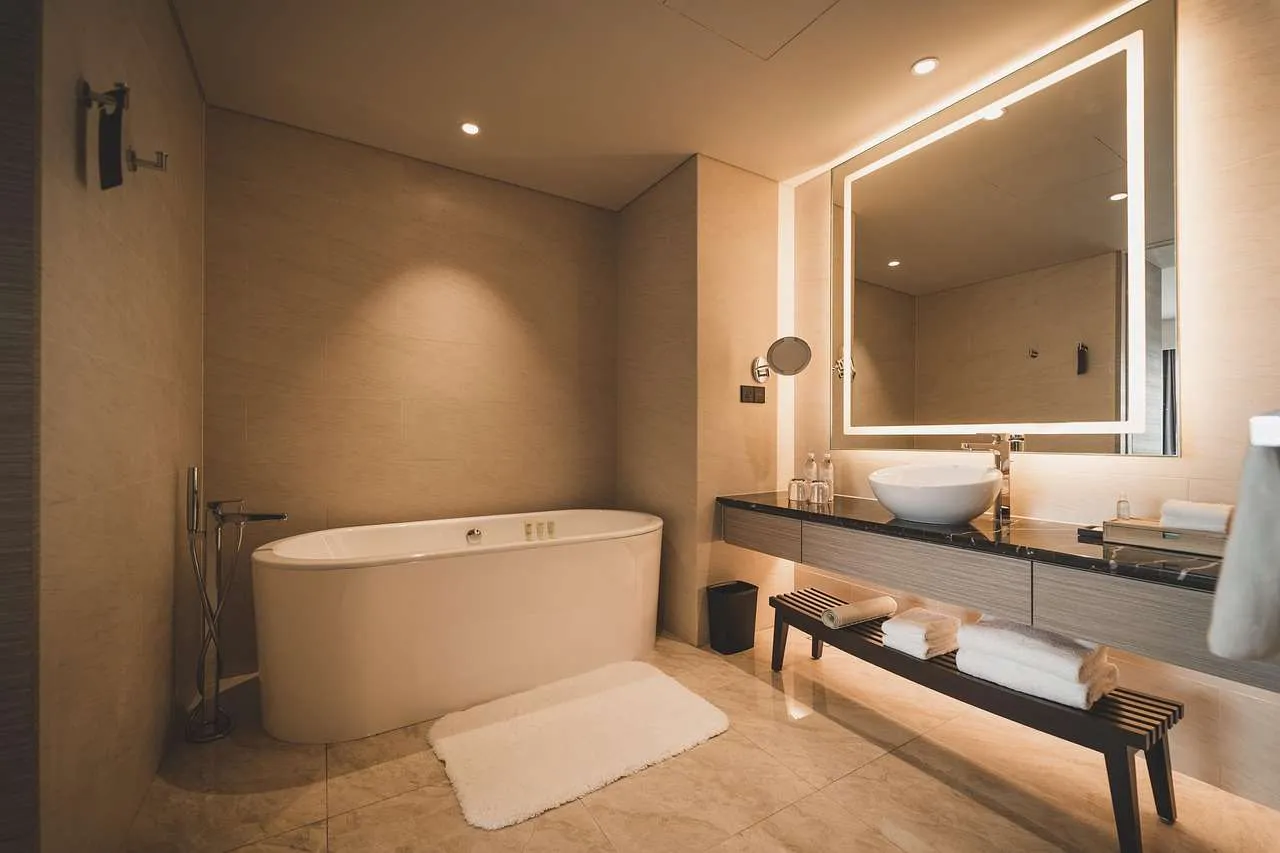
Small bathrooms can feel cramped, but with thoughtful design they can be functional, serene, and stylish. The goal of small bathroom ideas is to maximize every inch while maintaining comfort and accessibility.
In practice, it requires a blend of layout optimization, light-reflecting surfaces, compact fixtures, smart storage, and carefully chosen finishes. Below you'll find proven strategies that homeowners and designers use to transform modest spaces without major renovations.
Plan around a clear layout
Begin with a clean floor plan. In most small bathrooms, a rectangular footprint works best if you place the shower or tub against one long wall and the vanity along the opposite wall. A wall-hung or pedestal toilet can free up visual space. Consider a pocket door or a sliding barn door to eliminate swing room and improve accessibility. If plumbing is due for an update, keep hot and cold lines close to reduce wall intrusion.
Maximize vertical space with storage
Vertical storage makes a big difference. Install tall, slim cabinetry, recessed niches in the shower, and mirrored cabinets. Floating vanities visually lift the floor and create air. Corner shelving and towel rails integrated into the window frame (if present) can also help. Use pull-out organizers and clear containers to keep essentials accessible but out of sight.
Light, color, and materials
Light colors and reflective surfaces visually expand a room. Large-format porcelain or ceramic tiles reduce grout lines and create a cohesive feel. Choose a light base palette (soft neutrals, warm whites) and add color with accents like towel hooks or artwork. For durability, select water-resistant finishes with a matte or satin sheen to minimize smear visibility while keeping slip resistance where needed.
Fixtures that save space
Opt for a wall-mounted vanity to free floor space and support a more generous leg area. A compact, one-piece toilet with a slim tank reduces bulk. Consider a shower with a frameless glass door instead of a bulky enclosure; add a recessed niche for toiletries to keep shelves clear. For bathtubs, a compact corner tub or a shower-tub combo can work when a full-size tub is not feasible.
Lighting and mirrors that open a room
Layered lighting matters. A bright overhead fixture combined with task lighting around the mirror makes the room feel larger and more usable. Use a generous mirror or a pair of mirrors to double the perceived space, and consider vertical lighting to draw the eye upward. LED strip lighting integrated into shelving or niches provides soft, practical illumination without glare.
Materials, finishes, and durability
Choose moisture-resistant materials with sealed edges and slip-resistant floors. Porcelain, ceramic, and high-quality vinyl planks can stand up to humidity and frequent cleaning. When selecting countertops and vanity tops, pick quartz or solid surface materials that resist staining and water damage. Invest in a good sealant around edges and behind fixtures to prevent mold growth over time.
Smart, budget-friendly upgrades
Small improvements can yield big returns. Replace old fixtures with water-saving taps, install a recessed medicine cabinet, or swap out a dated vanity for a floating unit. Fresh grout and new seals on the shower or tub create a clean, modern look. If you cannot expand the space, create the illusion of depth with a well-placed mirror and consistent color palette throughout the bathroom.
Comparison and quick-reference
| Option | Pros | Cons |
|---|---|---|
| Walk-in shower with glass enclosure | Feels open, easy to clean, versatile | Could be more expensive; needs proper waterproofing |
| Shower curtain | Low cost, flexible | Less moisture control, can look dated |
| Floating vanity | Airy feel, easier cleaning | Limited storage if small |
| Mirror cabinets | Integrated storage, bright reflection | May limit wall decor and depth |
With the right choices, you can combine functionality and aesthetics in a small bathroom without sacrificing comfort or personality. Regular maintenance and a consistent design language across materials will ensure the space remains timeless rather than trendy.
Conclusion, Small bathroom ideas hinge on three ideas: maximize space with smart layouts, reflect light with color and mirrors, and install compact, well-built fixtures with clever storage. By prioritizing these principles, you can create a bathroom that feels larger, cleaner, and more enjoyable to use every day.