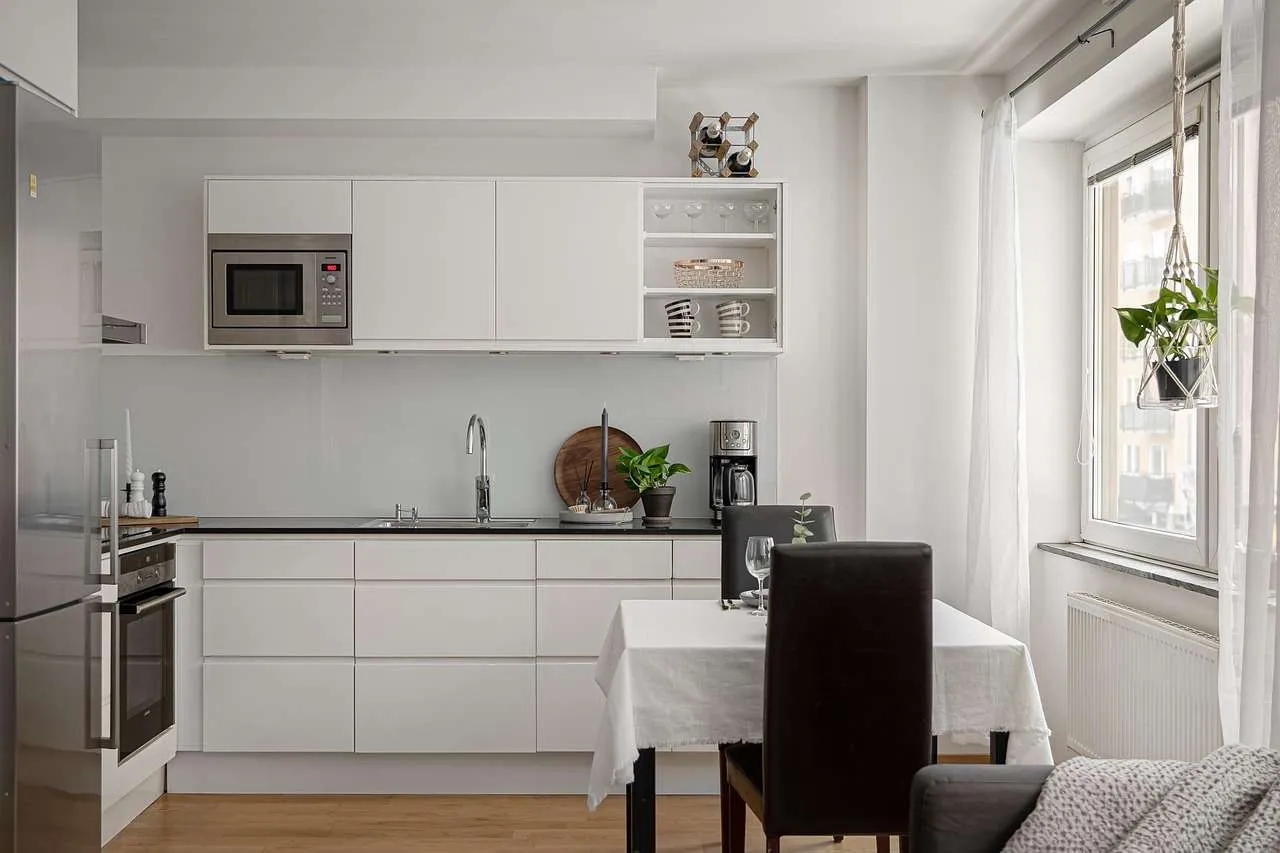
Home window tinting is a practical upgrade that can reduce heat, protect interiors from UV damage, and enhance privacy without sacrificing natural light. With modern films, homeowners now have many options to match aesthetics and performance while maintaining a bright, open feel.
What is home window tinting?
Window tinting uses thin films applied to interior or exterior surfaces of glass. These films can reflect, absorb, or filter sunlight to reduce glare and heat while maintaining visibility from inside out.
Benefits of home window tinting
- Energy efficiency: Reduce cooling loads by limiting solar heat gain.
- UV protection: Block up to 99% of harmful UV rays to protect fabrics and skin.
- Glare reduction: Improve comfort in rooms with strong sun.
- Privacy and security: Diminish visibility from outside without darkening interiors excessively.
- Preservation and safety: Some films hold shattered glass together after impact.
Types of tinting films
Dyed films
Dyed films are the most affordable and provide deep color. They offer good glare reduction but can fade over time and may be less durable.
Metalized films
These use metallic particles to block heat and glare, but they can interfere with signals from devices and create some reflection.
Ceramic films
Ceramic coatings offer excellent heat rejection, strong UV protection, and minimal signal interference. They are typically more expensive but longer-lasting.
Carbon films
Carbon films deliver a natural, non-reflective look with good heat rejection and UV protection, without excessive signal interference.
Choosing the right film
Consider climate, window type, street exposure, and desired daylight. Check the film's VLT (visible light transmission) and SHGC (solar heat gain coefficient) ratings, as well as UV rejection and warranty.
Installation options: DIY vs professional
DIY kits are available for smaller panes, but professional installation ensures even adhesion and fewer bubbles on larger windows, patio doors, or multi-pane panes. Look for IWFA or NWFA certified installers and ask for a sample warranty and a reference list.
Cost and maintenance
Prices vary by film type, window size, and labor. In general, ceramic and carbon films cost more but deliver higher performance and longer life. Maintenance is simple: wipe with a soft, non-abrasive cloth and avoid ammonia-based cleaners, which can affect the film’s adhesive.
Comparison of common tint types
| Type | Light Transmission | Heat Rejection | UV Rejection | Durability | Approx. Cost |
|---|---|---|---|---|---|
| Dyed | 35-70% | Moderate | Up to 99% | Average | Low-Mid |
| Metalized | 5-60% | High | Up to 99% | High | Mid |
| Ceramic | 30-70% | Very High | Up to 99% | Very High | High |
| Carbon | 20-60% | High | Up to 99% | High | Mid-High |
Conclusion
To maximize safety, comfort, and value, choose a reputable installer, select the film type that matches climate and glass, ensure proper installation, and verify warranty terms and local regulations. A well-chosen home window tinting solution can deliver years of reliable performance.
Summary: Home window tinting offers energy savings, UV protection, glare reduction, and privacy when chosen and installed by trained professionals. By evaluating film types, understanding local rules, and selecting certified technicians, homeowners can achieve durable results that improve living spaces and long-term comfort.